Damaged/decayed teeth can cause a wide variety of complications including difficulty eating and speaking, as well as aesthetic concerns. Restorative dental procedures, especially dental crowns, can help with this. This article explains what you need to know about dental crowns at Precision Dental.
The cost of dental crowns can be high, but the good news is that most dental insurance providers will cover a portion of treatment.
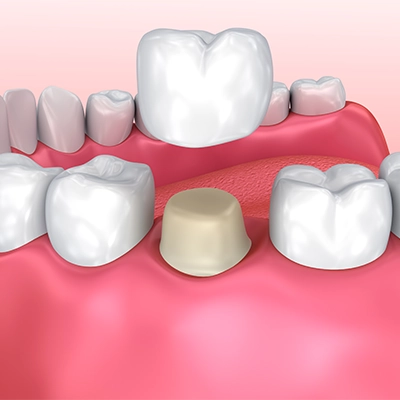
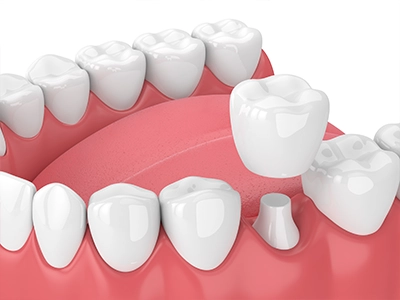
A dental crown is a tooth-shaped cap that is placed on a tooth to improve its appearance and functionality.
Several different materials are used in dental crowns:
The material used will depend upon your personal preferences and needs as well as the availability of the material. In some cases, the dentist may have a preference. There are some things to consider when choosing a material for your crown:
There are several reasons a patient may consider a dental crown, including:
Crowns are often used when the affected tooth is:
There are several steps involved in getting a dental crown which can take several weeks, including
The first step is the consultation visit. During this visit, our team will determine if you are a candidate for a dental crown.
The next step is to prepare the tooth for crown placement. This involves the removal of some of the enamel to create space for the crown. If there is an infection, root canal treatment may be required, and a build-up may be required if there is significant damage to the tooth.
Once the tooth has been prepped, the dentist will take some impressions of the tooth, which will be used to fabricate the custom dental crown.
Since fabrication of the permanent crown can usually take several weeks, a temporary crown may be placed on the tooth to protect it.
When attaching the permanent crown, the dentist will remove the temporary one and clean the tooth thoroughly. Then, the permanent crown will be placed on the tooth to ensure proper fit. Minor adjustments may be necessary and can be made in the office. If the crown fits properly, it will be cemented in place.
Dental crowns offer several advantages, including
There are no special maintenance and care considerations for dental implants. Simply brush and floss as usual. Some dental professionals recommend that a water flosser be used instead of regular dental floss to avoid potential damage to the dental crown.
However, you should avoid nuts and certain kinds of candies to avoid damaging the crown.
If you have a tooth that is severely damaged/decayed, schedule your dental crown consultation with the team at Precision Dental today. Our dentists have the training to be crown dentists and to properly put a crown on the tooth without causing additional complications.
We are located in New Port Richey, Florida. Our dentists work closely with our patients to create a smile they can be proud of and will help you save your natural teeth when possible. If not, they will work with you to find the best tooth replacement solution.
Fixed, not removable
Costs an average of around $2,500+ depending on the type of material chosen and the number of teeth required- another factor is the type of bridge
Requires 2 or more appointments over the course of a few weeks
Usually requires replacement after about 10 to 15 years, may last about 10 with proper care and maintenance
Fixed, not removable
Costs $5,000+ for a single implant and up to $60,000+ for full-mouth restoration. Hybrid options cost an average of $12,000 per arch
Requires multiple appointments over several months to a year or more
Implant screw should last a lifetime but the restoration may need to be replaced after about 20 years
If you have questions about dental crowns, the team at Precision Dental can help. Below are a few of the most commonly asked questions:
At first glance, the cheapest crown is composite resin. However, it is important to note that these do typically wear out quickly and must be replaced. A porcelain crown is designed to last longer, which makes it a much more cost-effective solution.
Yes, you can eat after getting a dental crown. However, it is recommended that you wait until the anesthesia has worn off and you avoid chewing hard, crunchy, or tough foods with the affected tooth for a few days after placement.
Yes, dental crowns are a permanent tooth restoration. However, they may begin to show signs of wear and tear after many years. When this happens, the best option is to replace it.
While there are options for replacing missing or extracted teeth, it’s best to salvage a natural tooth when possible. Therefore, a dental crown is much better than an extraction– unless the tooth is severely decayed/infected. In this case, the best option is to remove the tooth to remove the infection.
Friday (Good Friday)
9 AM–2 PM Hours might differ