Partial dentures are a popular and effective solution for individuals who have lost some of their natural teeth. Whether you have lost teeth due to injury, tooth decay, or other dental issues, partial dentures can help restore your smile and improve your quality of life. In this comprehensive guide, we will explore everything you should know about partial dentures for front teeth, including the types available, the procedure for getting them, and how to care for them properly.
Partial dentures are removable dental appliances designed to replace missing teeth in your mouth. They consist of replacement teeth attached to a pink or gum-colored base, which is often made from acrylic or metal. These replacement teeth are created to match the size, shape, and color of your actual teeth, resulting in a natural look.
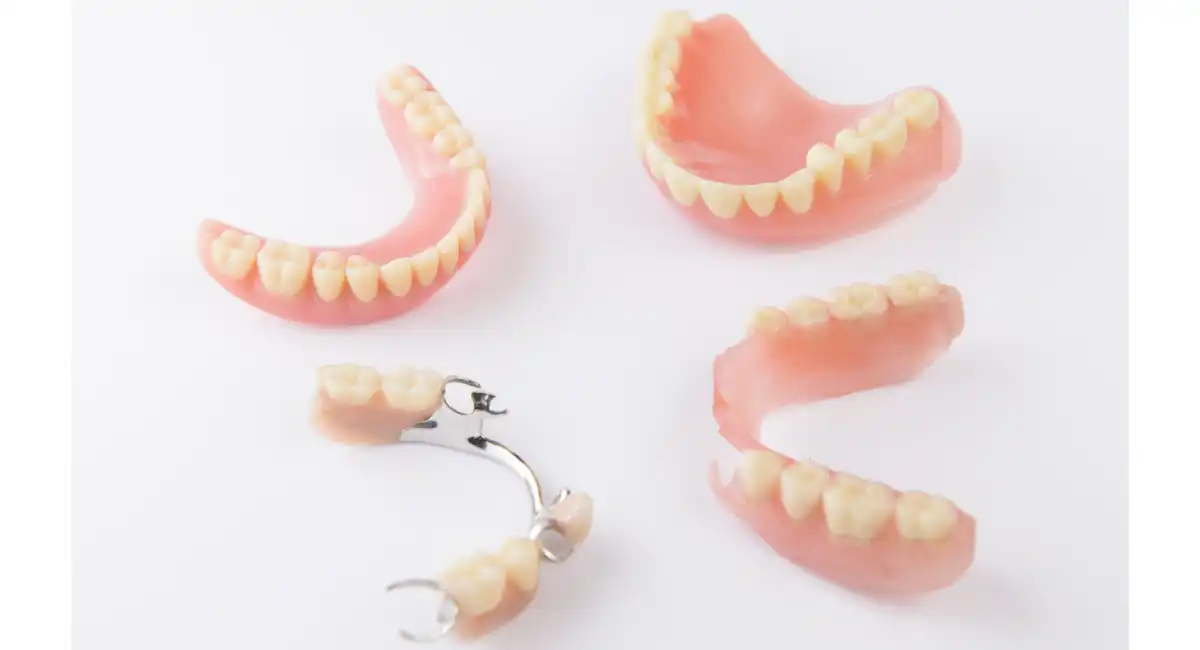
There are many options for partial dentures available, each catering to specific dental needs:
These are the most durable and stable type of partial dentures. They are made of a metal framework and can provide excellent support for the replacement teeth
Acrylic partial dentures are more affordable than cast metal ones. They are suitable for temporary or cosmetic purposes but may not be as long-lasting as metal dentures.
These are made of a flexible, nylon-based material, offering comfort and natural-looking results. They are often used for front teeth replacement due to their aesthetics and flexibility.
Flipper dentures are the most temporary option and are often used as a stopgap solution while waiting for a permanent denture. They are lightweight and easy to adjust.
Front teeth play a crucial role in your smile’s appearance and functionality. When you have missing front teeth, it can affect your confidence and ability to speak and eat comfortably. Partial dentures for front teeth are specially designed to address these concerns. They are typically made from materials that mimic the look of natural teeth, ensuring that your smile remains aesthetically pleasing.
The choice of partial denture depends on various factors, including your dental condition, budget, and personal preferences. Your doctor will assess your specific needs and recommend the most suitable option for you. Cast metal partial dentures are known for their strength and durability, making them a good choice for front teeth replacement. However, flexible partial dentures can also provide excellent aesthetics while being comfortable to wear.
When considering front teeth replacement, you may wonder how partial dentures compare to other options like dental bridges or dental implants. Here’s a brief comparison:
Feature | Partial Dentures | Dental Bridges | Dental Implants |
Cost | Affordable | Moderate | Expensive |
Appearance | Natural-looking | Natural | Natural |
Durability | Moderate | Long-lasting | Very durable |
Maintenance | Requires regular care | Relatively easy | Easy to maintain |
Comfort | May cause discomfort | Comfortable | Comfortable |
Procedure Time | Quick and non-invasive | Requires preparation | Lengthy process |
Adjacent Teeth | No impact | Requires filing of adjacent teeth | Preserves adjacent teeth |
Removability | Removable | Non-removable | Non-removable |
Bone Health | May contribute to bone resorption | Minimal impact | Preserves bone health |
Risk of Decay | Possible if not cared for properly | Minimal risk | Minimal risk |
Customization | Can be adjusted | Limited customization | Highly customizable |
Initial Discomfort | Possible | Minimal discomfort | Minimal discomfort |
Getting partial dentures typically involves the following steps:
Your dentist will evaluate your oral health and discuss your options. Impressions and measurements of your mouth will be taken.
The partial denture is custom-made in a dental laboratory based on the impressions. The color, shape, and size are matched to your natural teeth.
Once your partial denture is ready, your dentist will ensure it fits comfortably and securely in your mouth. Adjustments may be made as necessary.
Instructions and Care: Your dentist will provide instructions on how to care for your partial denture and maintain your oral hygiene.
Proper maintenance and care are essential to ensure the longevity and effectiveness of your partial dentures for front teeth. Here are some tips:
Remove your partial dentures at night and clean them thoroughly with a denture brush and denture cleaner.
Brush your natural teeth, gums, and tongue daily to maintain good oral health.
Regular Check-ups: Visit your dentist regularly for check-ups and adjustments to your partial denture if needed.
Fixed, not removable
Costs an average of around $2,500+ depending on the type of material chosen and the number of teeth required- another factor is the type of bridge
Requires 2 or more appointments over the course of a few weeks
Usually requires replacement after about 10 to 15 years, may last about 10 with proper care and maintenance
Fixed, not removable
Costs $5,000+ for a single implant and up to $60,000+ for full-mouth restoration. Hybrid options cost an average of $12,000 per arch
Requires multiple appointments over several months to a year or more
Implant screw should last a lifetime but the restoration may need to be replaced after about 20 years
When cleaning or handling your dentures, do so over a soft surface or a towel to prevent damage if they are dropped.
Partial dentures for front teeth can significantly enhance your smile and oral function. With many other options available, you can find the right solution to fit your needs and budget. Consult with your doctor to determine the best option for your specific case and enjoy the benefits of a restored smile.
If you’re considering partial dentures for front teeth or have questions about your dental needs, contact Precision Dental today for a consultation.
Yes, you can eat with partial dentures. However, adjusting to eating specific foods may take some time. Start with softer foods and gradually reintroduce harder items as you become more comfortable.
The lifespan of partial dentures might vary based on the kind, quality, and care given to them. On average, they can last 5 to 10 years or more with proper maintenance.
The cost of partial dentures varies based on the type, materials used, and the complexity of your case. It is best to consult with your dentist for an accurate cost estimate.
It is generally recommended to remove your partial dentures while sleeping to allow your gums and mouth to rest. This may help to extend the life of your dentures and maintain good oral hygiene.
Friday (Good Friday)
9 AM–2 PM Hours might differ