Dental health is a crucial aspect of overall well being. Thanks to advancements in dentistry, options like dental implants are now widely accessible to people who wish to restore their smile and confidence. One of the most common questions we hear at Precision Dental: “Do dental implants hurt?” Let’s delve into this topic and provide a comprehensive answer.
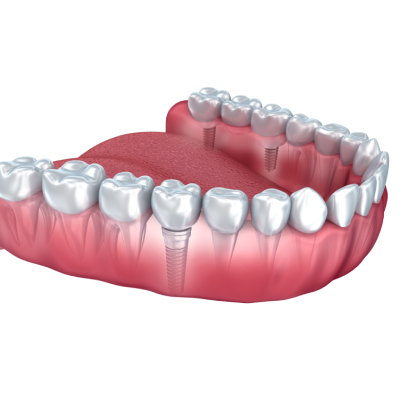
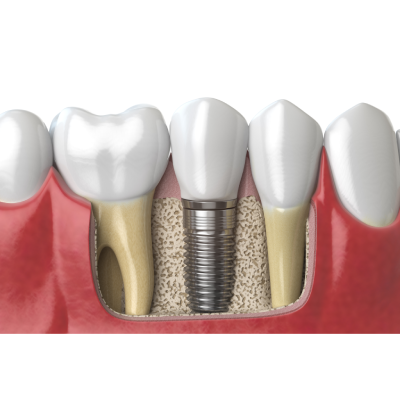
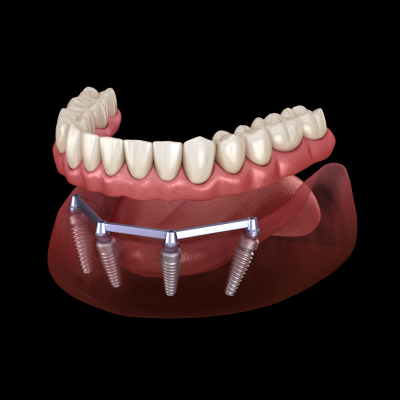
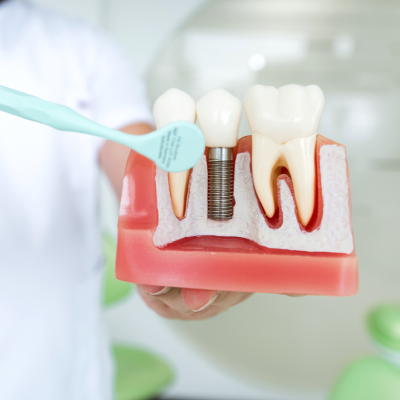
Dental implants are artificial tooth roots, usually made from titanium, that provide a strong foundation for fixed (permanent) or removable replacement teeth. These replacements are crafted to match your natural teeth. The procedure has been practiced for decades and is known for its high success rate and the long-lasting results it delivers.
This is the initial stage where the dentist examines your dental condition, takes X-rays, and designs a treatment plan.
If there’s a damaged tooth present, it will be removed.
For patients with insufficient bone, a bone graft may be required.
A small incision is made in the gum, and the implant is positioned in the jawbone.
Over a period, the bone grows around the implant, anchoring it securely (osseointegration).
Finally, a custom-made crown is attached to the abutment, completing the process.
Dental implants are typically placed under local anesthesia, which means the specific area being worked on will be numb. This ensures you won’t feel pain during the actual procedure. Some patients opt for sedation dentistry to reduce anxiety and ensure they’re as relaxed as possible.
Mild to moderate swelling of the gums and face, minimal pain at the implant site, minor bleeding, and bruising on the skin can occur. This discomfort is typical and can be managed with over-the-counter pain relievers and prescribed medications.
If you experience severe, worsening pain days after the procedure, it’s essential to contact your dentist immediately. This is not typical and could indicate a complication.
Your dentist will provide specific guidelines to follow post-surgery. This might include diet recommendations, cleaning techniques, and activity restrictions.
Applying a cold compress can help reduce swelling and relieve pain.
Keeping the mouth clean reduces the risk of infections, which can increase pain.
Refrain from heavy lifting and strenuous activities for a few days after the surgery.
Compared to other dental procedures, the discomfort associated with dental implants is often likened to that of tooth extractions. It’s generally manageable and short-lived. Many patients who have undergone the procedure at Precision Dental in New Port Richey, Florida, report that the temporary discomfort was worth the long-term benefits of having a stable, functional, and aesthetic replacement for their missing teeth.
A significant factor influencing your experience with dental implants is the skill and expertise of the dentist performing the procedure. An experienced dentist will ensure precise implant placement, minimizing potential complications and maximizing comfort.
At Precision Dental in New Port Richey, Florida, our team prides itself on using state-of-the-art technology and techniques. We have successfully transformed countless smiles with dental implants, ensuring the process is as seamless and comfortable as possible for our patients.
Are you considering dental implants? Let the skilled team at Precision Dental in New Port Richey, Florida guide you through the process. Don’t let the fear of pain hold you back from achieving the radiant smile you deserve. Schedule a consultation with us today and take the first step towards a confident, restored smile!
Fixed, not removable
Costs an average of around $2,500+ depending on the type of material chosen and the number of teeth required- another factor is the type of bridge
Requires 2 or more appointments over the course of a few weeks
Usually requires replacement after about 10 to 15 years, may last about 10 with proper care and maintenance
Fixed, not removable
Costs $5,000+ for a single implant and up to $60,000+ for full-mouth restoration. Hybrid options cost an average of $12,000 per arch
Requires multiple appointments over several months to a year or more
Implant screw should last a lifetime but the restoration may need to be replaced after about 20 years
There’s no strict age limit for dental implants. However, they are typically recommended for adults whose jawbones have stopped growing. It’s essential to consult with a dentist to determine individual suitability.
Dental implants are primarily made of titanium, a biocompatible material that is well-accepted by the body and offers a strong foundation for replacement teeth.
With proper care and maintenance, dental implants can last a lifetime. The crown or prosthetic tooth may need replacement after 10-15 years due to wear and tear.
While the dental implant procedure itself is relatively straightforward, it’s advisable to take at least a day off to recover and manage any minor discomfort or swelling. However, your dentist will provide specific recommendations based on your unique situation.
After the procedure, it’s best to stick to a soft diet for a few days to avoid discomfort and ensure the implant area isn’t disturbed. Once fully healed, dental implants function like natural teeth, allowing you to eat a wide range of foods. However, it’s always good to avoid extremely hard or sticky foods to prevent undue stress on the implant.
Friday (Good Friday)
9 AM–2 PM Hours might differ